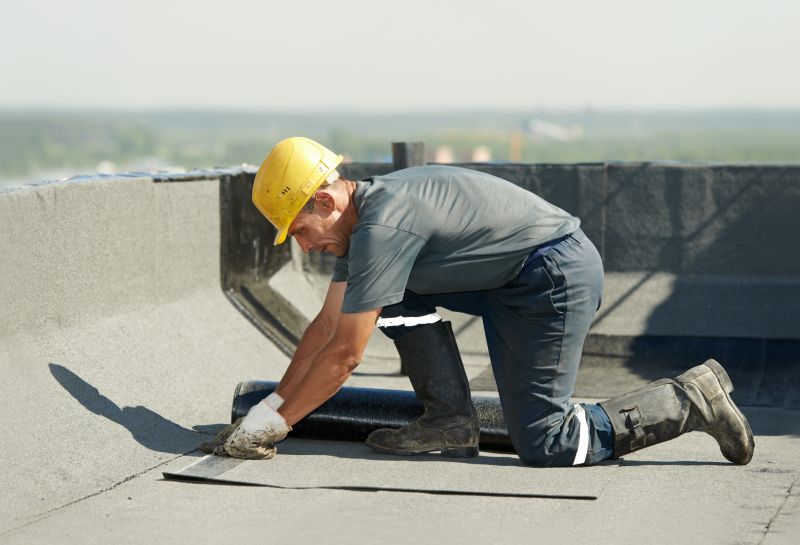

Cost of Vapor Barrier Installation in South Zanesville, OH
Vapor barrier installation costs in South Zanesville, OH, can vary based on several factors including the scope of the project, the types of materials used, labor requirements, and specific site conditions. While some basic installations may be more affordable, larger or more complex projects tend to increase overall costs. It is important for homeowners to consider these variables when estimating expenses for vapor barrier work.
Final pricing for vapor barrier installation is typically influenced by the size of the area, the quality of materials selected, and any necessary site preparation or additional work. Since project costs can differ significantly based on these factors, obtaining detailed quotes from local providers can help compare options and determine the most suitable approach for individual needs.
Typical Cost Range
$1,200 - $2,800 (smaller scope)
$2,500 - $6,000 (moderate scope)
$5,000 - $12,000 (larger scope)
$3,000 - $8,000 (additional considerations)
$4,500 - $10,000 (comprehensive installation)
| Project Type | Typical Range |
|---|---|
| Basement Vapor Barrier | $1,200 - $3,000 |
| Crawl Space Vapor Barrier | $1,000 - $2,500 |
| Garage Floor Vapor Barrier | $1,500 - $3,500 |
| Whole Basement | $5,000 - $12,000 |
| Additional Insulation | $2,000 - $5,000 |
| Reinforced Vapor Barrier | $4,000 - $8,000 |
| Custom Installation | $3,500 - $7,500 |
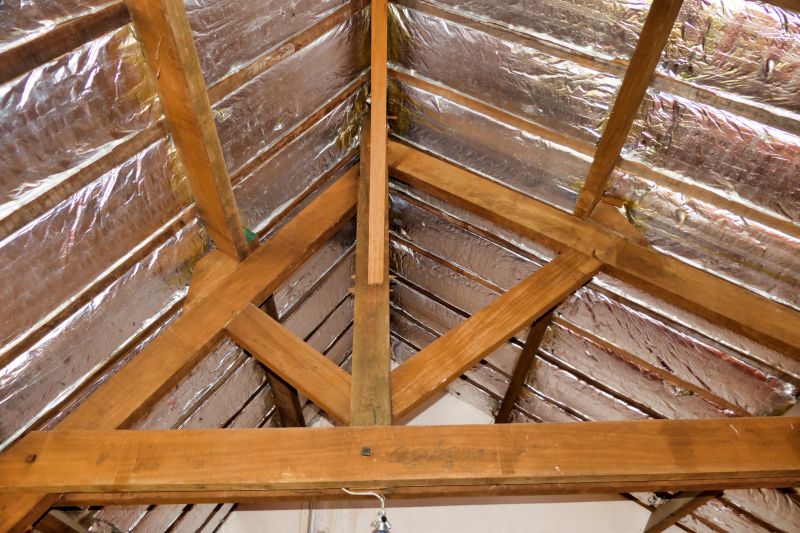
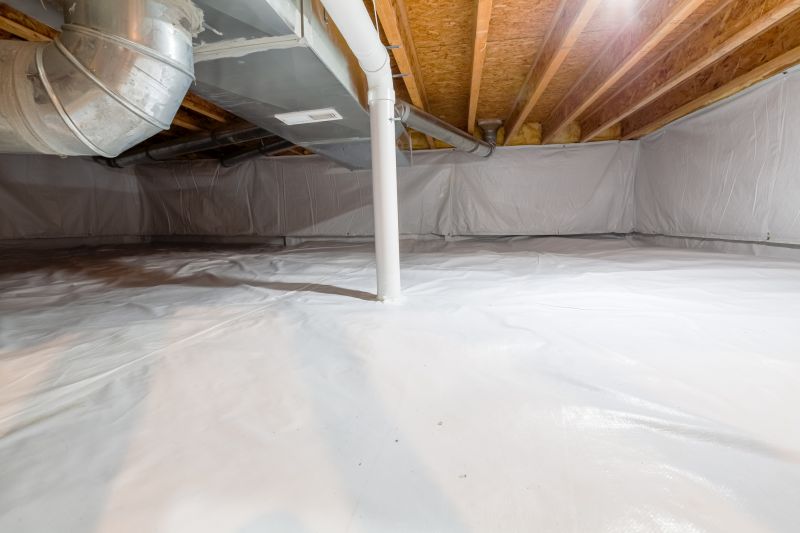
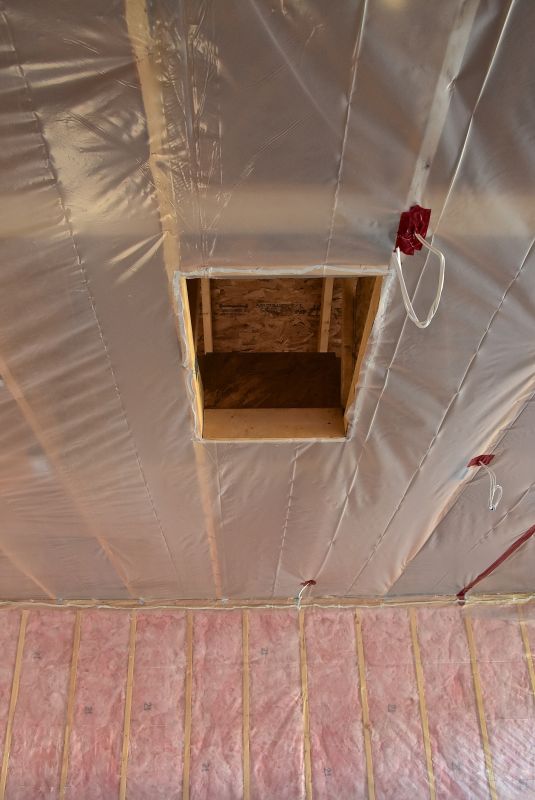
Factors Affecting Cost Include Material Choice, Area Size, and Accessibility.
Vapor barrier installation in South Zanesville, OH, is a common step in preparing crawl spaces and basements to control moisture and prevent mold growth. Understanding the typical scope and options can help homeowners plan and compare potential costs for this project.
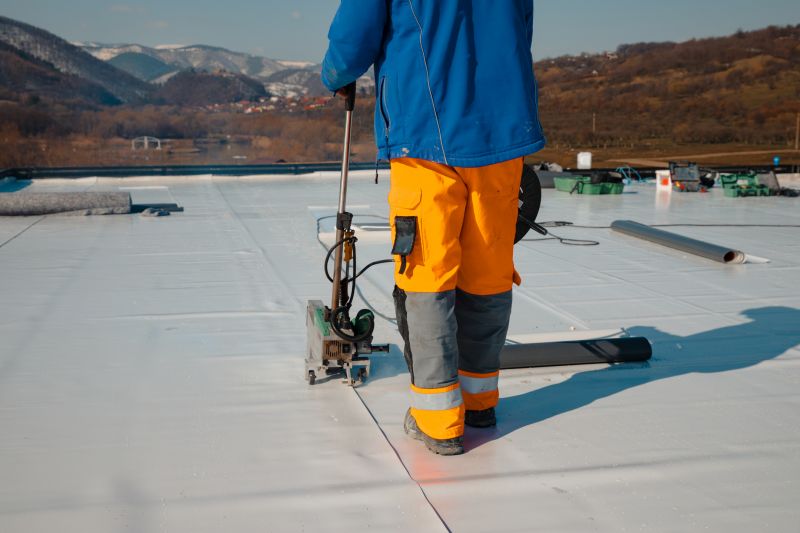
- Materials: Polyethylene plastic sheeting, usually 6-mil or thicker, is the standard vapor barrier material used in residential installations.
- Size and Scope: Installation often covers the entire crawl space or basement floor, with sizes varying based on the area, commonly ranging from small sections to larger, continuous sheets.
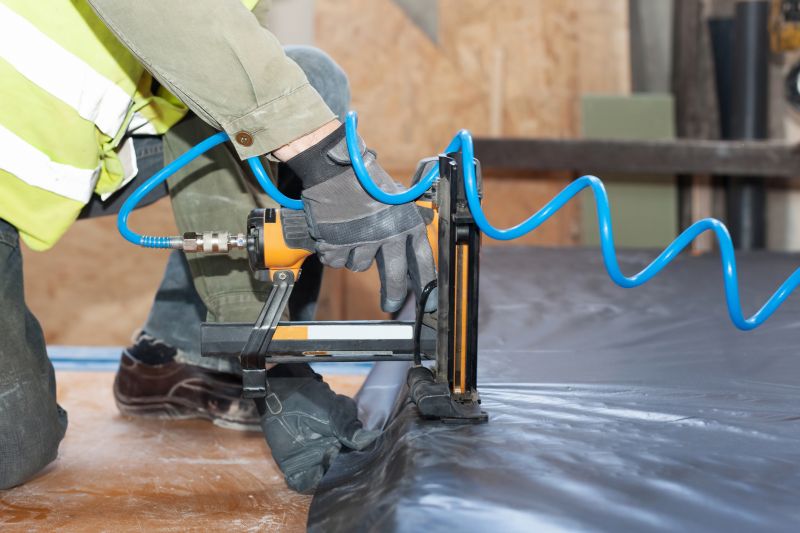
- Labor Complexity: The process involves laying and sealing the plastic sheeting over the ground, which requires minimal excavation but careful sealing to prevent gaps and tears.
- Permitting: Local regulations may require permits for installations involving significant modifications or in conjunction with other foundation work.
- Extras: Additional features such as sealing vents, installing insulation on walls, or adding a vapor barrier around piers can increase scope and cost.