Waterproofing in Cambridge, OH
Request an estimate to address basement waterproofing needs and protect your home from water intrusion.
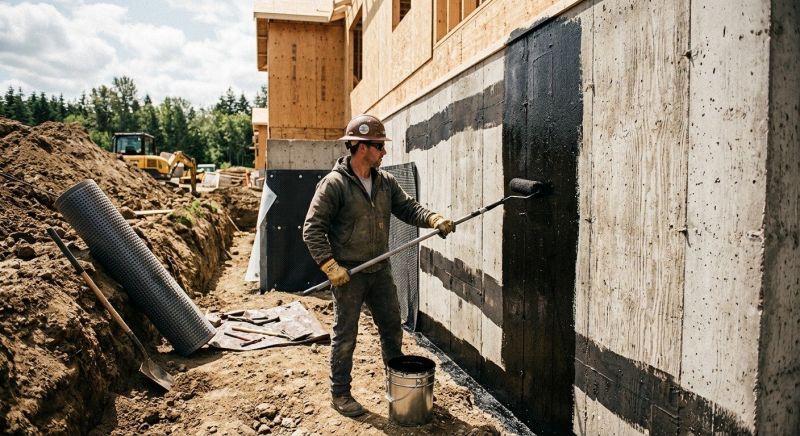
Waterproofing Project Planning
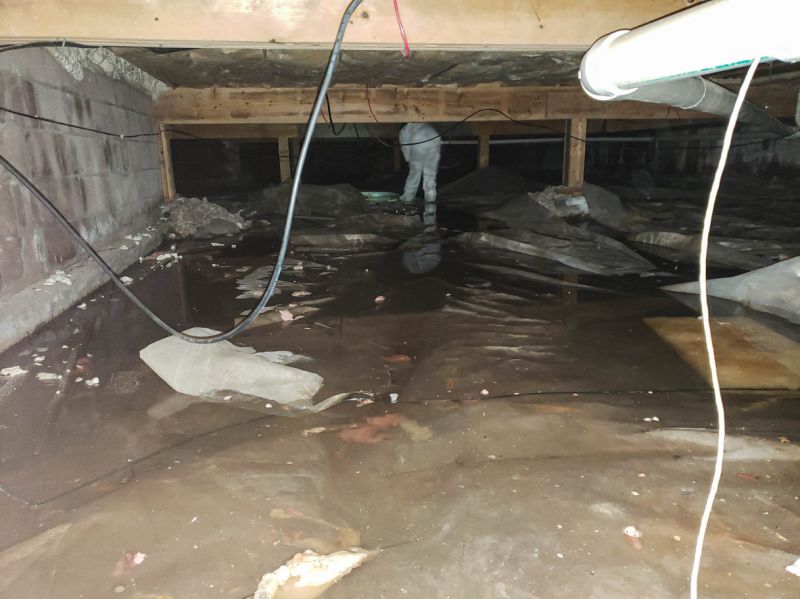
Determine which basement walls or foundation sections require waterproofing and assess current moisture or seepage issues.
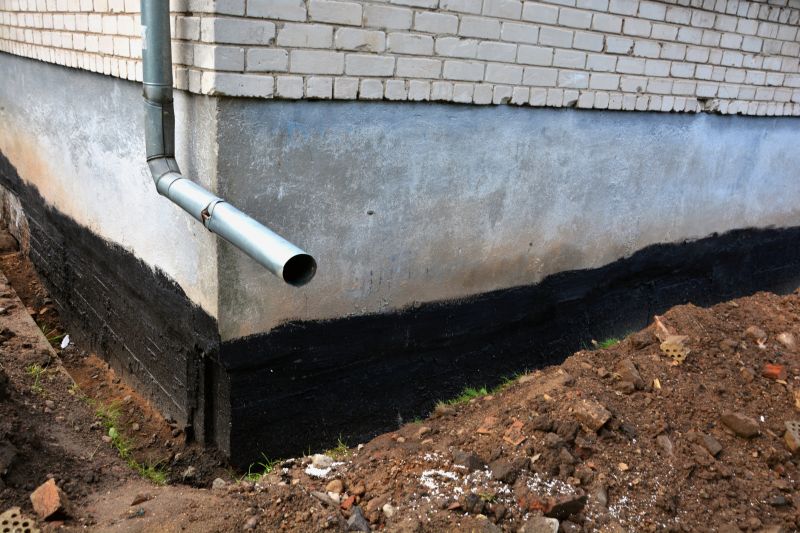
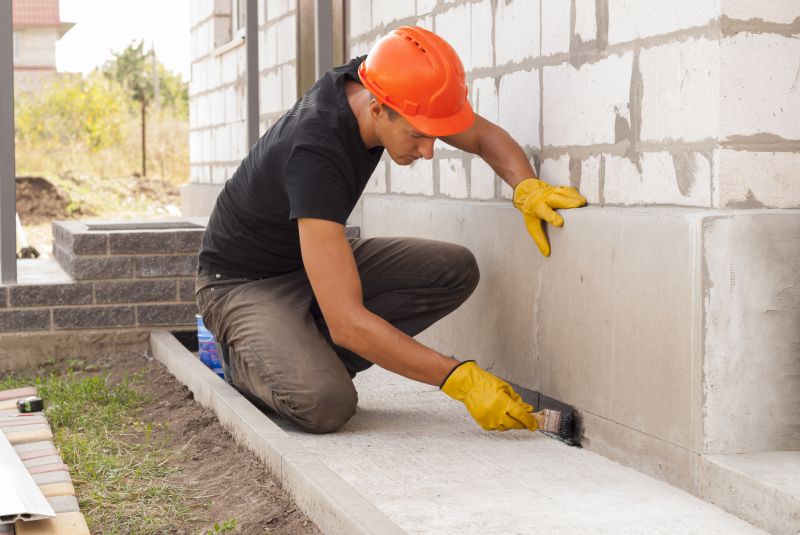
Decide whether interior sealants, exterior membranes, drainage boards, or sump pump systems are most appropriate for your foundation.
Ensure proposed work includes comparable foundation membranes, drainage solutions, and repair methods for an accurate estimate comparison.
Waterproofing Service Guide
Learn about this service and how it relates to the work you need.
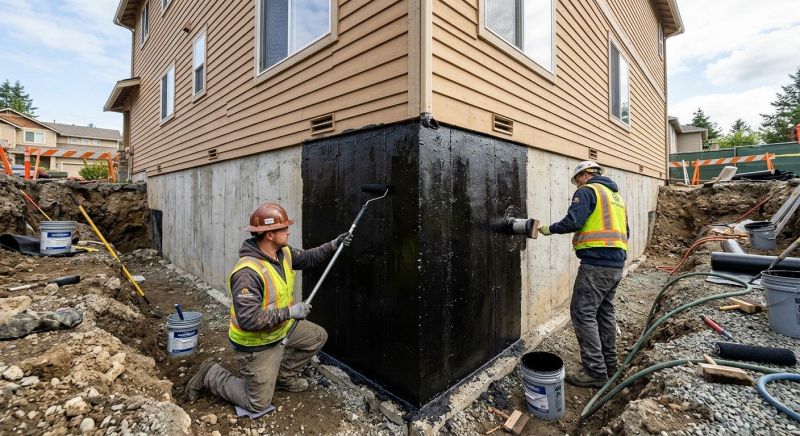
Foundation Waterproofing
Foundation waterproofing is appropriate when basement walls show signs of moisture seepage or water intrusion, helping prevent structural damage and mold growth.
What to Expect
Use these general planning benchmarks to frame the project before requesting an estimate.
Common Questions
Quick answers to practical questions about waterproofing.
How can I determine if my foundation needs waterproofing?
Signs include persistent moisture, water seepage, or cracks; a professional inspection can confirm if waterproofing is necessary.
Is waterproofing suitable for repair or should I consider replacement?
Waterproofing is typically a repair solution; replacement may be needed if foundation damage is extensive or structural.
What materials are commonly used for waterproofing, and which are best for my foundation?
Interior sealants, exterior membranes, drainage boards, and sump systems are common; selection depends on your foundation's condition and seepage type.
How does access to the foundation affect the waterproofing process?
Limited access may require specialized equipment or methods, potentially increasing disruption and influencing the scope of work.
What maintenance is required after waterproofing is installed?
Regular inspections, ensuring proper drainage, and keeping gutters clear help maintain waterproofing effectiveness.
How long does waterproofing typically last, and what factors influence its lifespan?
Most systems last 10-20 years, with lifespan affected by soil conditions, maintenance, and installation quality.
Share your project type, property details, and main goal to request an estimate.
Get A Local Estimate